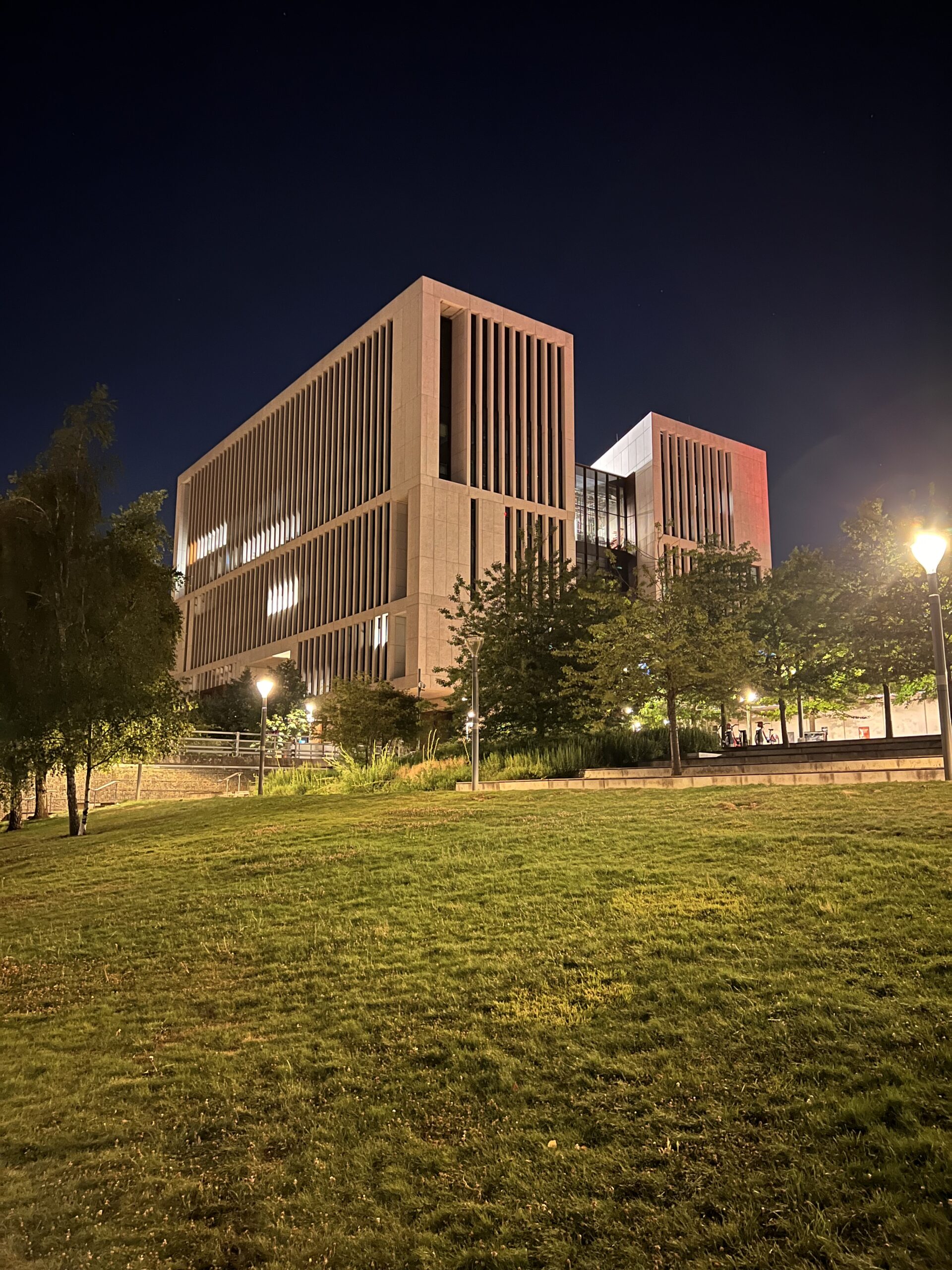
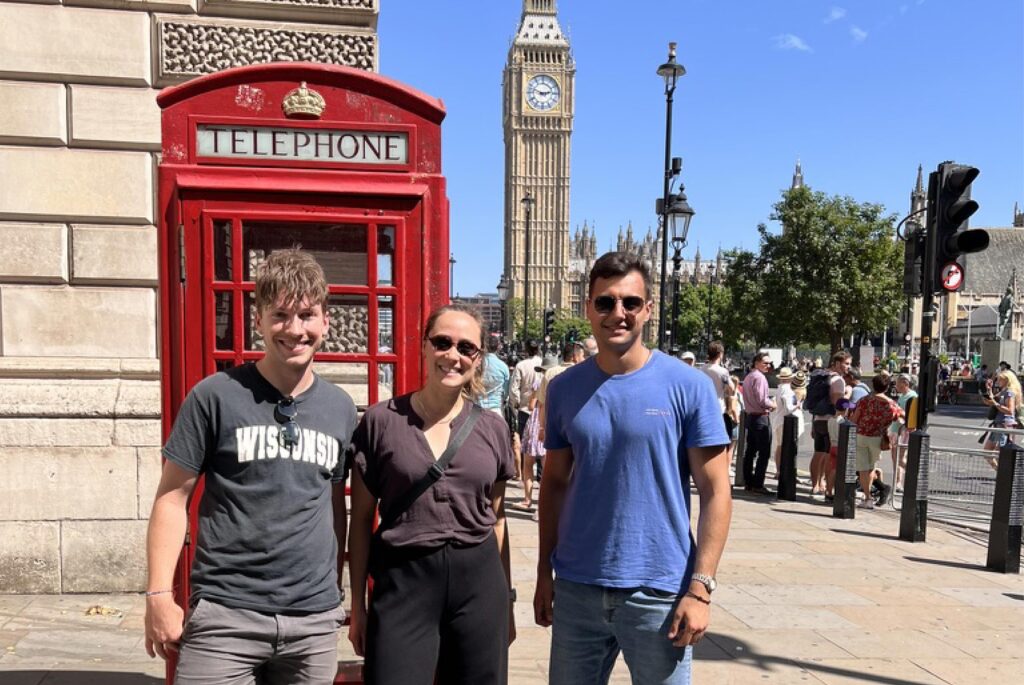
From July 13 to July 17, our doctoral candidates Timo Jakumeit and Theofilos Symeonidis participated in the 7th European Summer School on Microfluidics (EuroMBR Summer School), hosted by University College London (UCL) at the UCL East campus in London, United Kingdom. They were joined by Daniela Wegner from the Institute of Bioprocess Engineering at FAU, who is associated with the IoBNT Project and the SyMoCADS Graduate School at FAU. The five-day international summer school brought together PhD students, early-career researchers, and experts from universities across Europe to explore state-of-the-art developments in microfluidics through lectures, hands-on training, and scientific exchange.
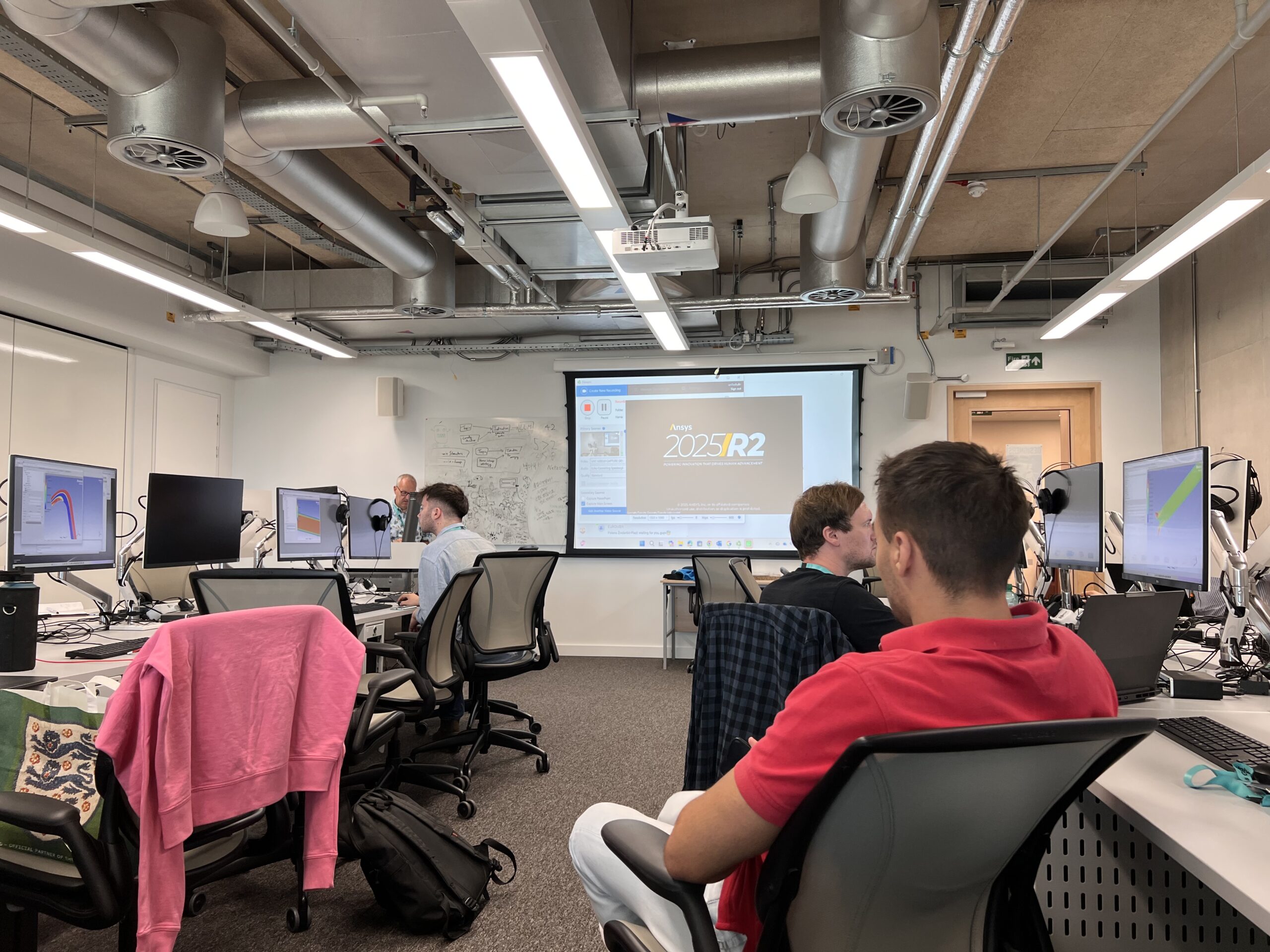
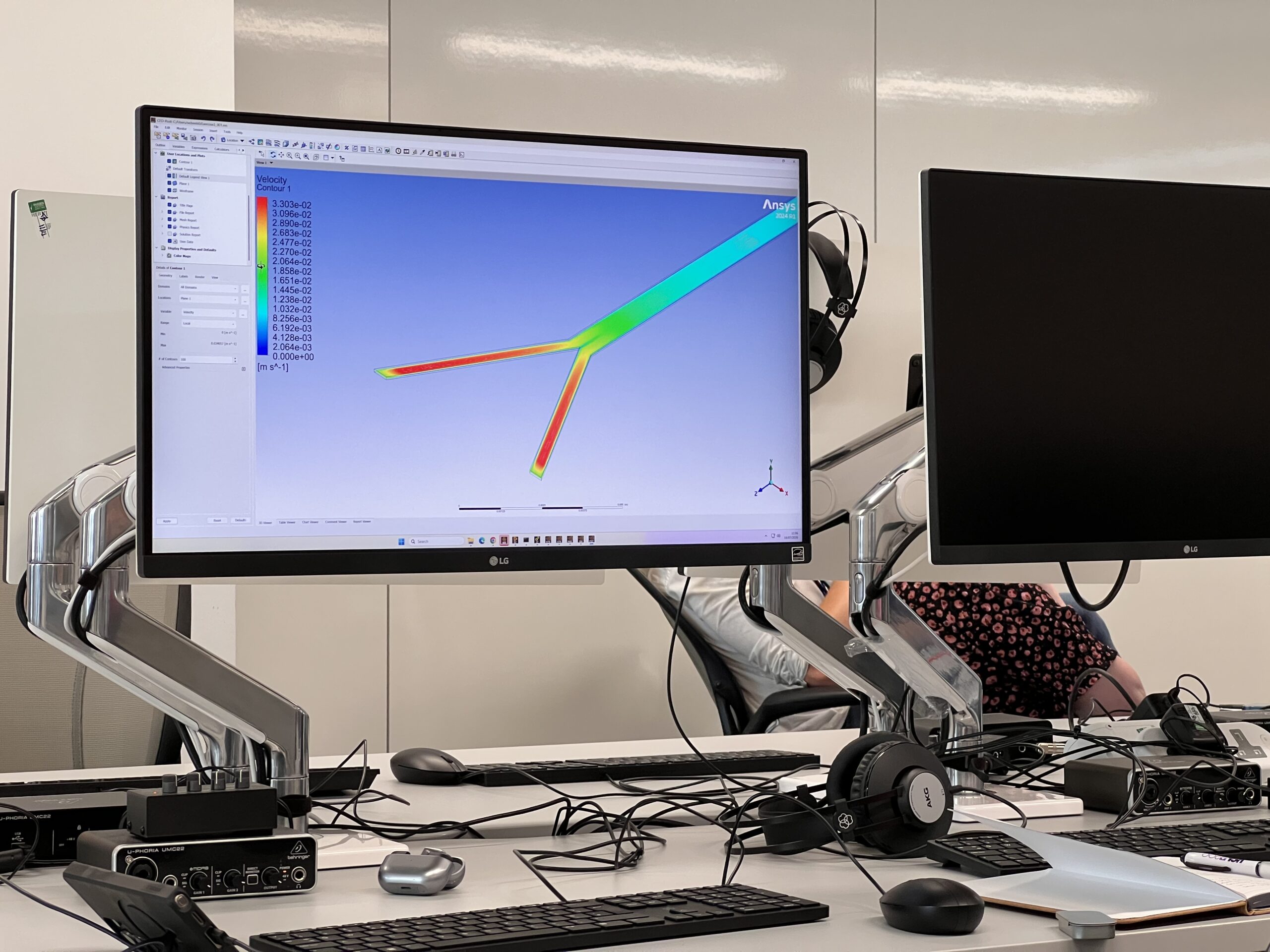
The summer school offers participants the opportunity to take part in a laboratory track or a computational fluid dynamics (CFD) modelling track. Timo and Theo participated in the CFD Modelling track, which focused on the numerical simulation of microfluidic systems using ANSYS. The program covered the complete CFD workflow, including geometry creation, mesh generation, simulation setup, solver configuration, and post-processing. Further topics included laminar flow, mass transport by diffusion, chemical and biochemical reaction modelling, multiphase flows, and rotating flow systems. The practical sessions provided valuable hands-on experience with simulation techniques that are widely used in the design and optimization of microfluidic devices.
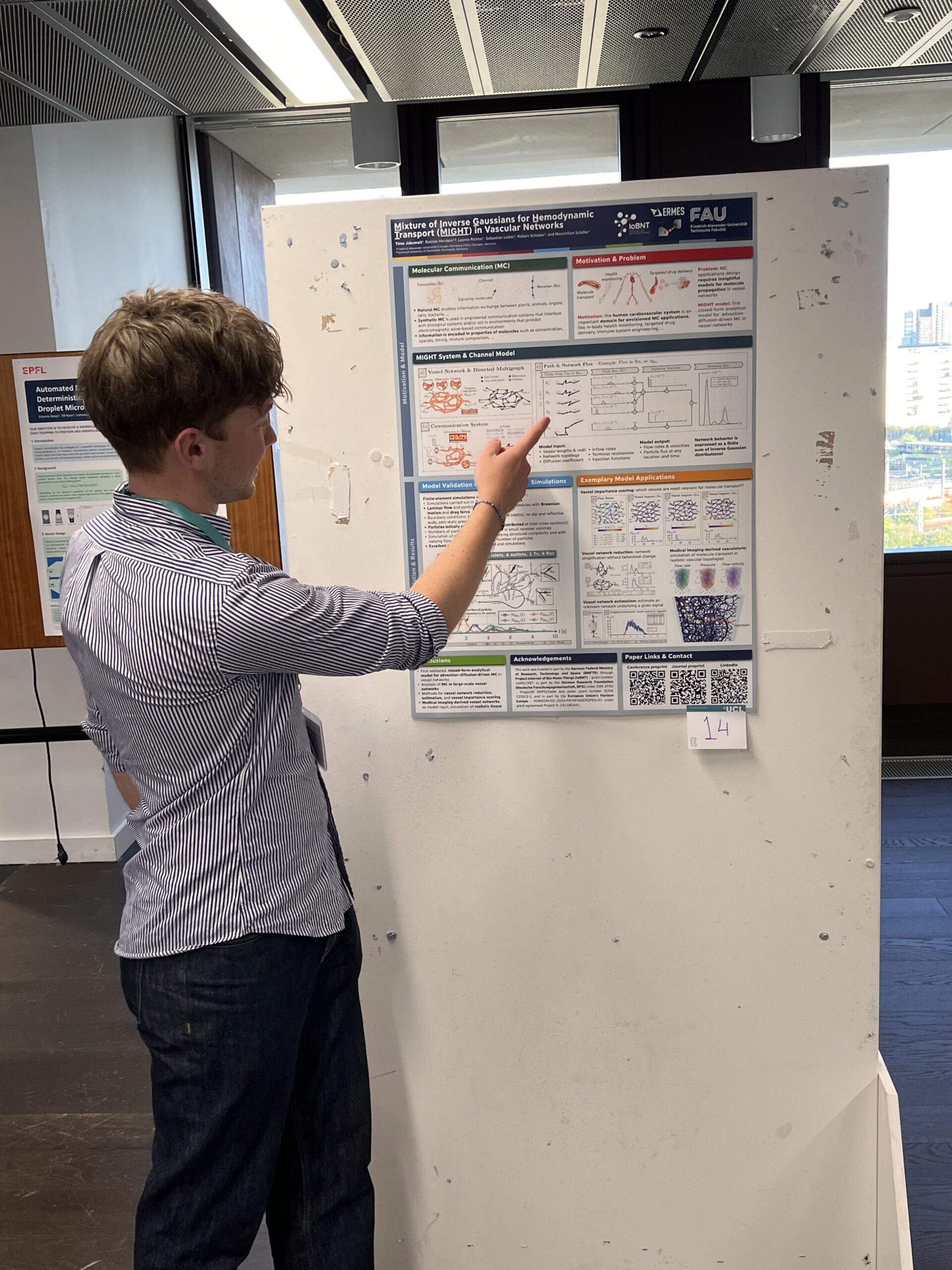
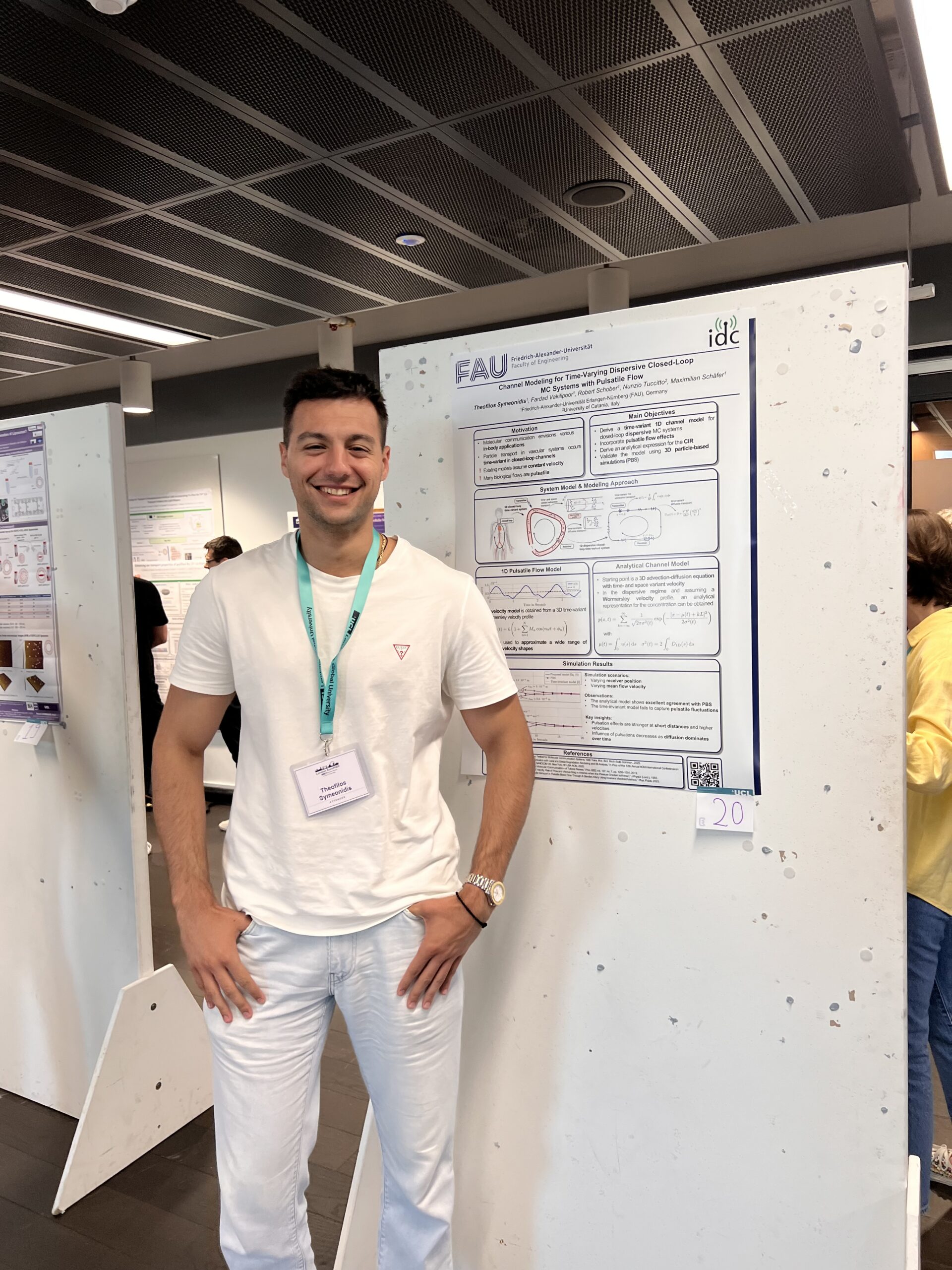
Additionally, Theo and Timo each presented their current work on particle transport models for vascular channels in two poster sessions.
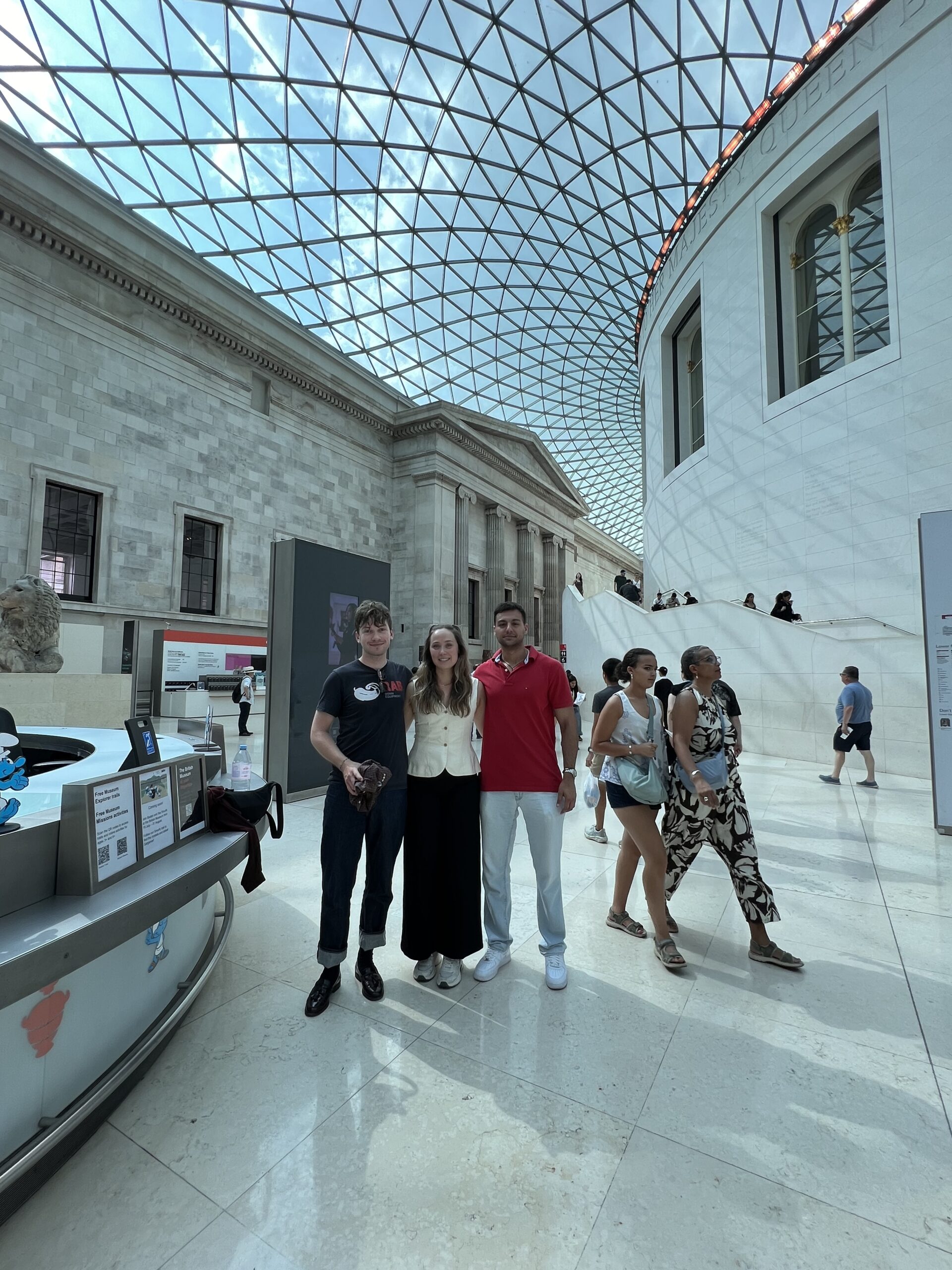
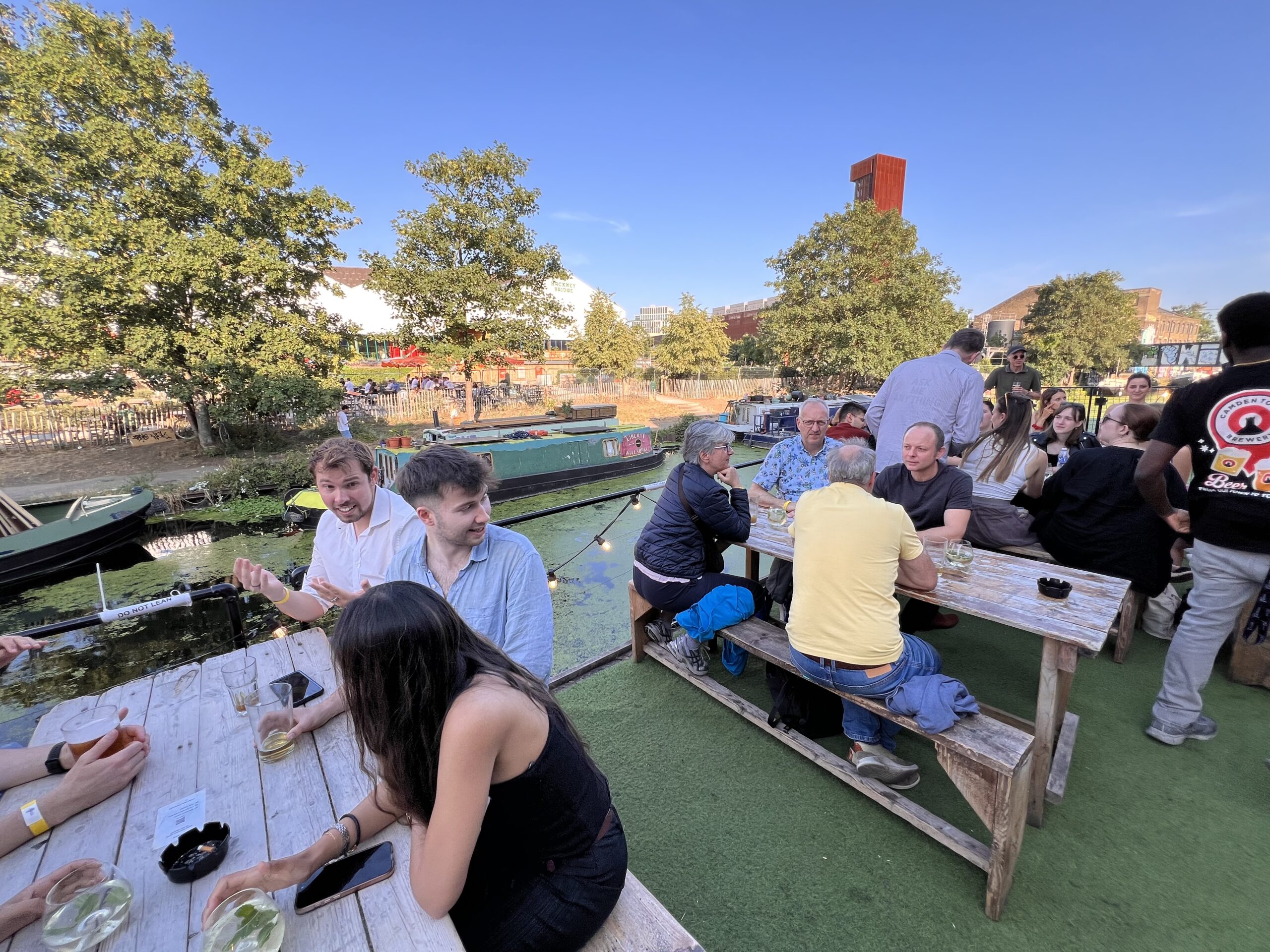
Beyond the technical program, the summer school provided an excellent opportunity to connect with fellow researchers from across Europe and from different backgrounds. Throughout the week, participants engaged in discussions with lecturers and peers during coffee breaks, lunches, and poster sessions, fostering new scientific contacts and exchanging ideas across different application areas of microfluidics. The social programme, including an evening networking event and opportunities to explore London together with other participants, complemented the scientific programme and contributed to a welcoming and collaborative atmosphere.
We thank the organizers and lecturers for an inspiring week of learning, collaboration, and scientific exchange.
 6/7
6/7