
Institute for Digital Communications
The Institute for Digital Communications (IDC) is part of the Department of Electrical Engineering, Electronics and Communications of the Faculty of Engineering at the Friedrich-Alexander-Universität Erlangen-Nürnberg and headed by Prof. Dr.-Ing. Robert Schober. IDC is complemented by Prof. Dr. Laura Cottatellucci, Prof. Dr.-Ing. Ralf Müller, and Prof. Dr.-Ing. Wolfgang Gerstacker.

Shortcuts
We Are Hiring

We are hiring — Join the Molecular Communications Team at IDC as a doctoral student!
We are looking for several doctoral students to join us in exploring the exciting field of molecular communications.
Application details: View this pdf.
Molecular Communication Lecture Series in Winter Term

Can information travel without radio waves? Can a communication system speak directly to living cells — and work where every conventional wireless technology fails?
These are the questions at the heart of our Molecular Communications (MC) lecture series (5 ECTS, oral exam, elective module), offered every winter semester.
MC is an emerging field that transmits information using molecules rather than electromagnetic waves. This lets communication happen where conventional wireless communication breaks down, and lets engineered systems interface naturally with living ones, borrowing signaling mechanisms that evolution has refined over billions of years. The result is a new set of possibilities in healthcare, smart agriculture and pest control, targeted drug delivery, and bio-nano networks. And IDC at FAU is one of the world’s leading centers for MC research! Our group leads flagship initiatives like the DFG Research Training Group SyMoCADS and the DFG Priority Program HoD-MoCS — and has earned multiple Best Paper Awards at leading international conferences.
The lecture and its tutorials give a comprehensive introduction to this fast-growing, interdisciplinary field and prepare you to take on your own MC research projects. Topics span the biochemical foundations of MC, natural MC systems, communication-theoretic channel modeling, and signal detection and parameter estimation. Prior knowledge of stochastic processes and communication systems is helpful but not required. So whether your background is in communication engineering, medical engineering, computer science, biology, or chemistry, this series is a chance to join one of the current exciting frontiers in communication science.
News
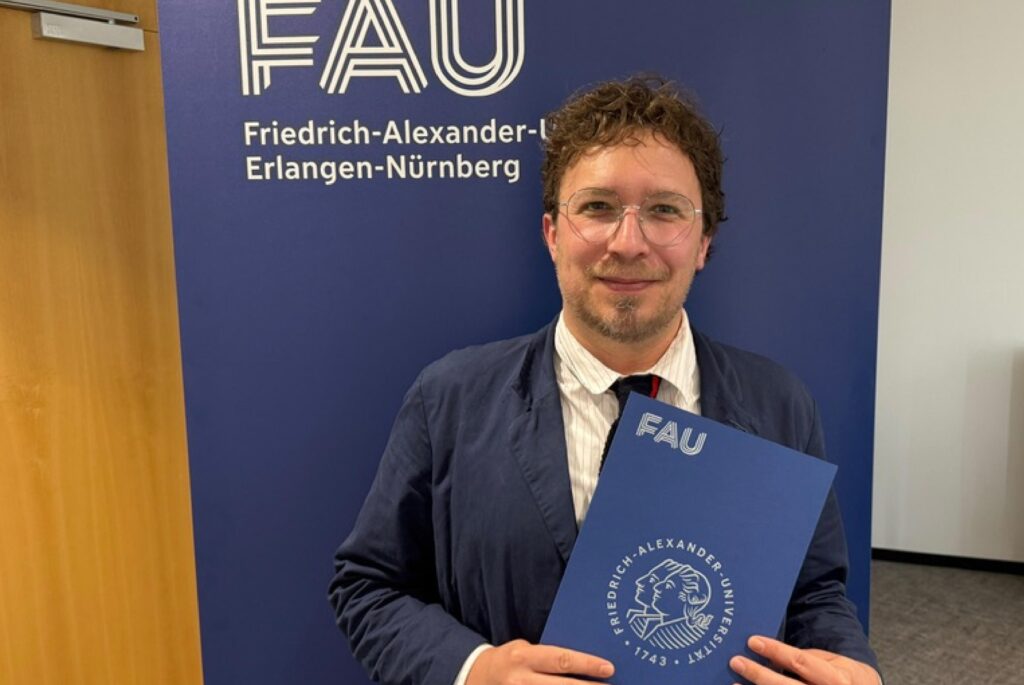
Maximilian Schäfer Appointed W3 Heisenberg Professor for Molecular Communications Engineering
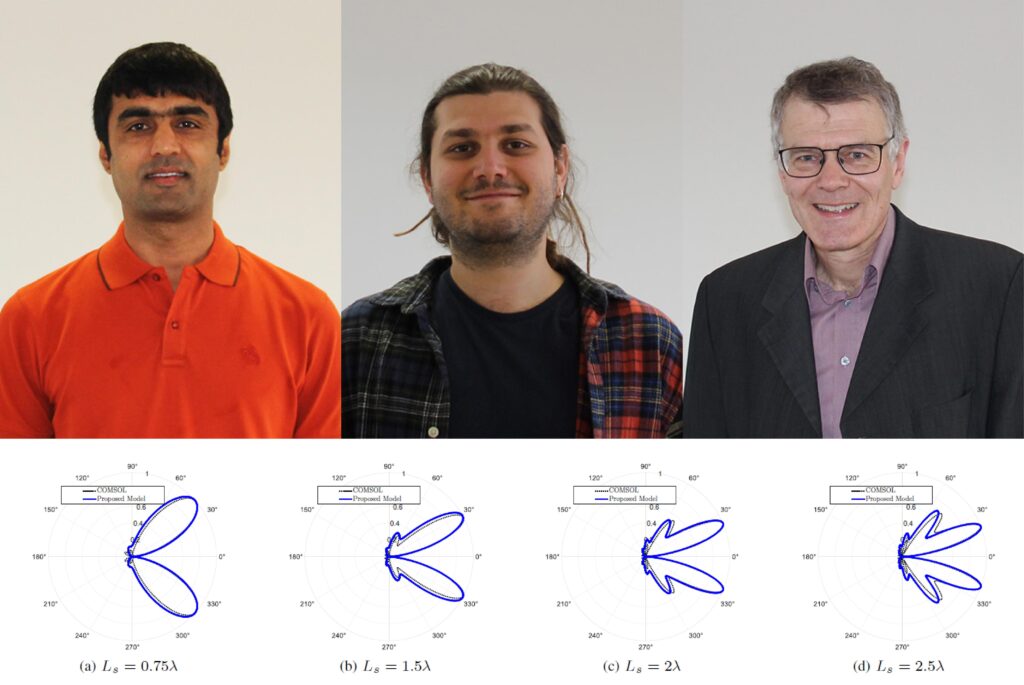
Best Paper Award at IEEE GLOBECOM 2026
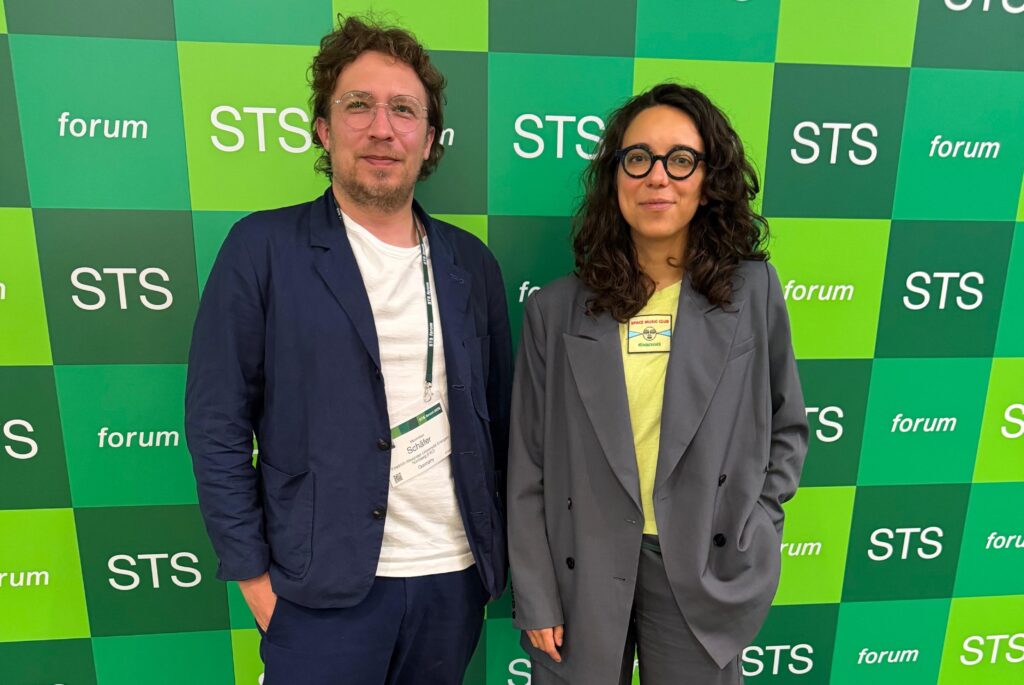
Maximilian Schäfer Represents Die Junge Akademie at the STS forum 2026 in Kyoto
IDC’s Lighthouse Projects

SyMoCADS
The Research Training Group (RTG) SyMoCADS is a research training program funded by the German Research Foundation (DFG) to train scientists and engineers in the emerging interdisciplinary field of molecular communication.

HoD-MoCS
HoD-MoCS is a Priority Programme funded by the German Research Foundation (DFG) that brings together projects from universities across Germany and focuses on fundamental theoretical and experimental research questions in molecular communication, with each project targeting at least one specific application.

KoRaTo
The Research Training Group (RTG) KoRaTo is a joint project between the Ulm University (UUlm) and the Friedrich-Alexander-Universität (FAU) Erlangen-Nürnberg with the aim to develop a new UAV- and radar-based geophysical monitoring system to measure for instance earth mass movements, vegetation heights, or the cryosphere.

xG-RIC
xG-RIC is part of the 6G Platform Germany and serves as a technology transfer hub with the goal of advancing key 6G technologies and systematically accelerating their transfer into industry and society.


